

With the colder weather setting in, heating our homes becomes a priority. But with energy prices rising again, it's understandable that many people will be thinking about how to keep their bills under control.
Whether you're a tenant trying to manage your energy costs or a landlord preparing your property for winter, there are a few practical things worth considering.
We've pulled together some useful advice to help.
What's Happening with Energy Prices?
On 1 October 2026, Ofgem increased the energy price cap by 4%.
For a typical household paying for gas and electricity by Direct Debit on a standard variable tariff, this means an estimated annual bill of £1,723, up from £1,663.
It's worth remembering that this isn't a maximum bill. What you actually pay depends on how much energy you use, where you live and your tariff.
The current price cap applies until 31 December 2026. The UK Government has also temporarily removed VAT from qualifying domestic electricity bills, with this relief now extended until 30 June 2027.
You can check the latest figures on Ofgem's website.
For Tenants: Simple Ways to Save Energy
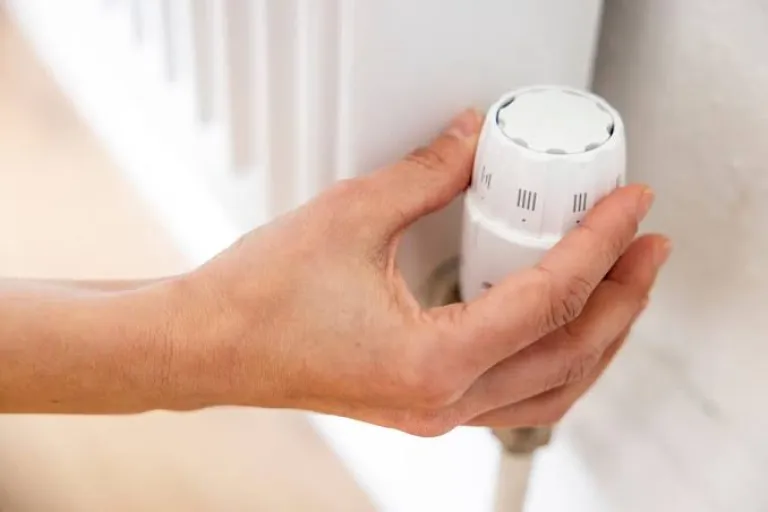
You don't need to make major changes to your home to be more energy efficient. A few adjustments to everyday habits are worth considering.
1. Get to know your heating controls
Using your thermostat and heating timer effectively can help you avoid using energy unnecessarily.
Try to match your heating schedule to your routine, while keeping your home at a comfortable temperature.
Keep furniture clear of radiators to allow heat to circulate, and close your curtains when it gets dark to help retain warmth.
2. Make small changes to your laundry routine
Washing clothes at 30°C, where suitable, and waiting until you have a full load can help reduce energy use.
If you're drying clothes indoors, try to use a well-ventilated space rather than placing wet laundry directly on radiators. This also helps reduce moisture building up in your home.
3. Save energy in the kitchen
Putting lids on saucepans helps retain heat and reduces steam. Only boiling the water you need can also avoid wasting energy.
Remember to use your extractor fan when cooking to help remove excess moisture.
4. Switch off what you're not using
Turn off lights when leaving a room and switch off appliances that don't need to be left on standby.
These are simple habits that can help reduce unnecessary electricity use.
5. Keep an eye on your energy bills
Submitting regular meter readings helps make sure you're paying for the energy you've actually used, rather than relying on estimates.
If you have a smart meter, its display can also help you understand when you're using the most energy.
6. Check your energy tariff
If you pay your energy supplier directly, you can generally choose your own supplier and tariff.
It's worth checking whether you're on the right deal for your circumstances. Look at unit rates, standing charges and any exit fees before making a decision.
Citizens Advice Scotland has helpful guidance on switching energy suppliers.
Keeping Warm Without Trapping Moisture
When energy bills are high, it's tempting to turn the heating down and keep windows closed. However, it's important to balance saving energy with keeping your home properly heated and ventilated.
Everyday activities such as cooking, showering and drying clothes produce moisture. If that moisture becomes trapped, it can contribute to condensation and mould.
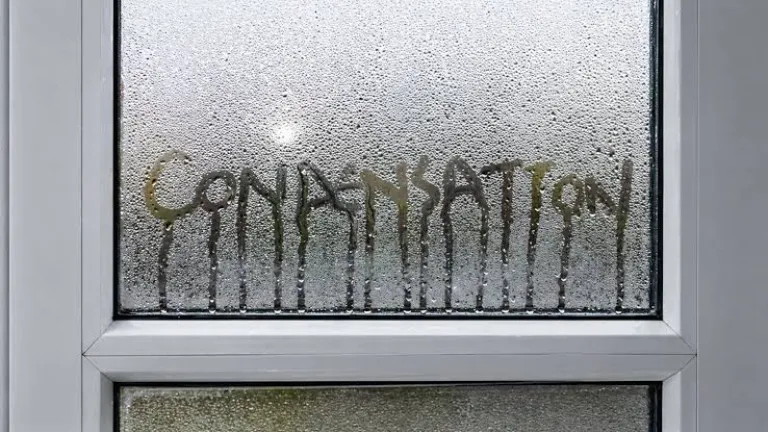
A few things can help:
- Use extractor fans when cooking and showering and leave them running afterwards to remove remaining moisture.
- Keep trickle vents open where fitted and avoid blocking ventilation openings.
- Allow air to circulate around furniture, particularly where it's positioned against external walls.
- Wipe away excess condensation from windows and sills when you notice it.
- Open windows briefly when appropriate to help remove moisture without leaving rooms cold for long periods.
You should be able to cook, shower, dry clothes and enjoy your home normally. The aim is simply to manage the moisture these everyday activities create.
It's also important to remember that damp and mould aren't always caused by condensation. Leaks, poor insulation, heating faults and ventilation problems can all contribute.
Noticed Damp, Mould or Something That Needs Repairing?
If you're a 1Let tenant and notice damp, mould, persistent draughts, a faulty extractor fan or problems with your heating, please let us know.
Don't wait for damp or mould to spread or become a bigger problem before reporting it.
There can be several reasons why these issues develop, and we won't simply assume they're caused by how you're using your home.
Our job is to investigate what's happening and identify what needs to be done.
Report a maintenance issue to 1Let
If possible, include photographs and a brief description of the problem when submitting your report.
Finding Help with Energy Bills
If you're struggling with your energy bills, it's worth speaking to your supplier sooner rather than later.
Energy suppliers can discuss payment arrangements and any assistance available to you.
Some households in Scotland may also qualify for the £150 Warm Home Discount. Depending on your circumstances, this may be applied automatically, or you may need to apply through your supplier.
You can check your eligibility on GOV.UK.
Home Energy Scotland is another useful resource, offering free, impartial advice on saving energy, keeping your home warm and managing costs.
For Landlords: Getting Your Property Ready for Winter
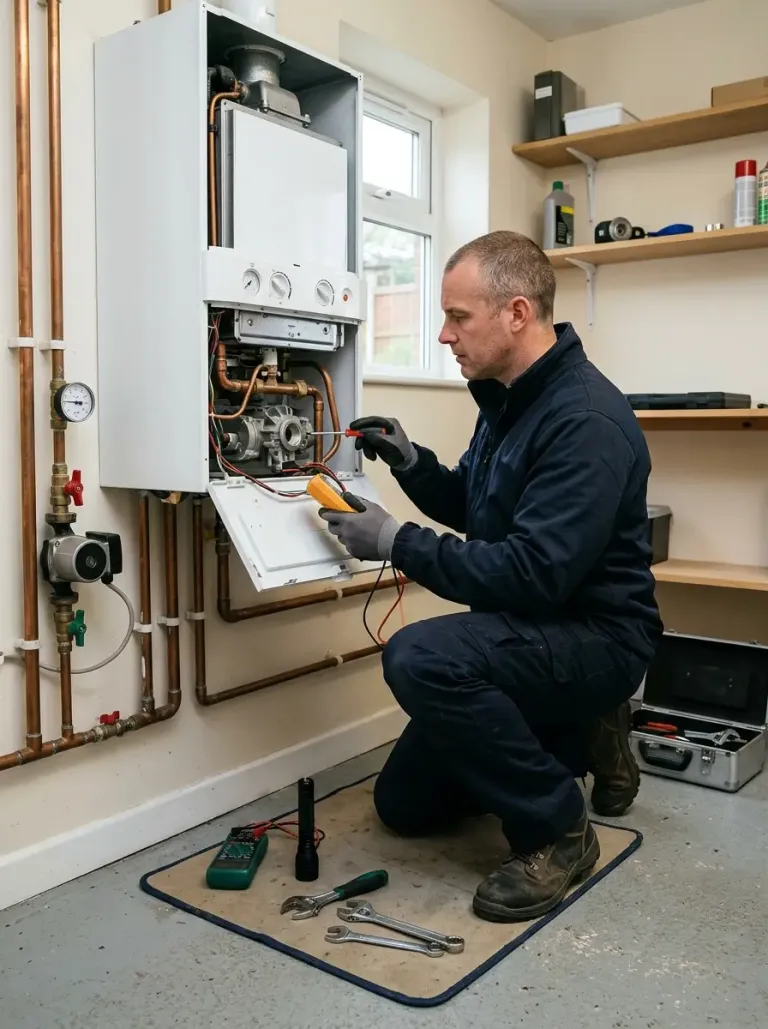
Winter is a good time to think about how your rental property is performing and whether there's anything that needs attention.
Heating and Maintenance
Making sure heating systems are working properly is particularly important during colder weather.
Under Scotland's Repairing Standard, private rented properties must have a fixed heating system that's in reasonable repair and proper working order.
Landlords also have responsibilities when damp or mould is reported.
New Scottish regulations came into force on 6 October 2026, introducing specific timescales for investigating damp and mould concerns and starting necessary repairs.
These requirements make it particularly important that concerns are reported, properly investigated and acted upon promptly.
You can read more in the Scottish Government's guidance for landlords.
Improving Energy Efficiency
Your property's Energy Performance Certificate (EPC) is a useful starting point when considering energy efficiency improvements.
Depending on the property, improvements such as better insulation, draught-proofing or more effective heating controls may help reduce heat loss and improve comfort.
The Scottish Government is also developing proposals for future minimum energy efficiency standards in privately rented properties.
While these proposals aren't yet finalised, they're worth bearing in mind when planning future improvements.
Home Energy Scotland offers free, impartial advice for private landlords, including information on suitable improvements and potential financial support.
Preparing for Empty Periods
If your property is going to be vacant over winter, make sure suitable heating and frost protection arrangements are in place to reduce the risk of frozen pipes and water damage.
It's also worth making sure meter readings and energy accounts are properly managed between tenancies to avoid billing complications.
Here to Help
We know that rising energy costs can be a concern, particularly during winter.
For tenants, understanding how to use energy efficiently, knowing where to find support and reporting maintenance concerns early can all help.
For landlords, looking after heating systems, keeping on top of maintenance and considering sensible improvements will help keep properties in good condition.
At 1Let, we're here to offer practical advice, keep you informed and help resolve issues when they arise.
If you're a tenant with a maintenance concern or a landlord looking for advice about your rental property, please get in touch with our team.
Information correct as at 12 November 2026. Energy prices, government support and regulations may change. Please refer to the official sources linked throughout this article for the latest information.