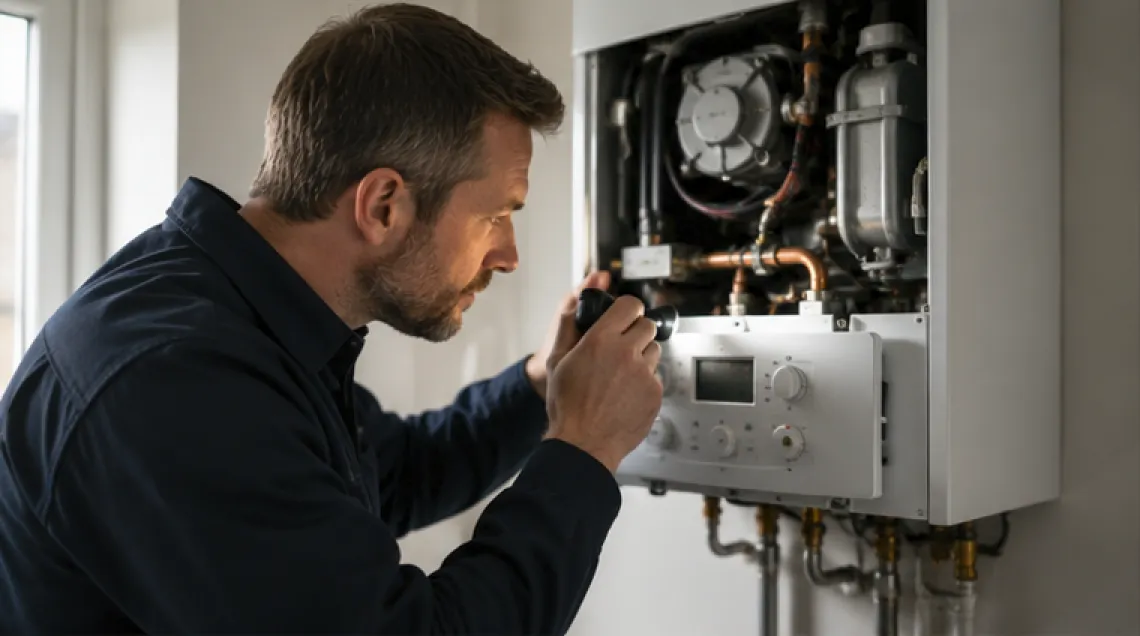

When something in your home needs repaired, it is understandable to want it resolved as quickly as possible.
Many repairs are straightforward and can be completed during a single appointment. Others involve several stages, different contractors or circumstances that mean the work cannot safely or effectively be completed straight away. While this can be frustrating, it doesn't necessarily mean the repair has stalled. In many cases, work is progressing, but certain steps must happen in the correct order.
If you would like an overview of how we assess, arrange and manage repairs, you can read our guide: What Happens After You Report a Repair?
In this article, we look more closely at why the repair itself may sometimes take longer than expected.
The Problem May Not Be Visible
The part of a repair you can see is not always the source of the problem.
A stain on a ceiling, for example, may indicate water entering from somewhere else. A loss of boiler pressure may have several possible causes. A recurring electrical fault may not be present when the electrician first attends.
Before carrying out permanent work, the contractor may need to investigate, test or monitor the issue.
This is important because repairing the visible damage without addressing the underlying cause could mean that the problem returns.
Some Repairs Must Be Completed in Stages
A single repair may involve several separate pieces of work.
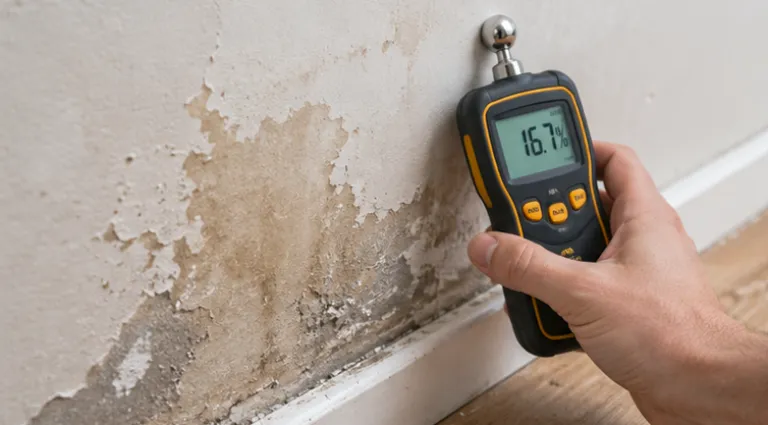
For example, resolving water damage could involve:
- Locating and stopping the source of the water.
- Allowing the affected area to dry.
- Repairing damaged plaster, flooring or timber.
- Redecorating the area once it is ready.
Each stage may require a different contractor, and one stage often needs to be completed before the next can begin.
Although there may be a gap between visits, this can be a necessary part of completing the repair properly.
Materials Sometimes Need Time to Dry or Set
Not every delay involves waiting for a contractor.
Certain materials and surfaces need time to dry, cure or settle before further work can take place. This can apply to:
- Plaster.
- Sealants.
- Concrete or screed.
- Grout.
- Paint and specialist coatings.
- Walls or ceilings affected by water.
Decorating a wall before it has dried properly, for example, could trap moisture or cause the new finish to fail.
Allowing enough drying time may extend the overall repair, but it helps prevent further work from being needed later.
The Full Extent of the Damage May Only Become Clear Once Work Starts
Contractors cannot always see everything during the initial inspection.
Additional damage may only become apparent after flooring is lifted, a panel is removed, or part of a wall or ceiling is opened.
For example, a contractor attending to repair a leak may discover damaged timber or saturated insulation behind the visible surface.
When this happens, the original plan may need to change. Further materials, another trade or additional work may be required before the repair can be completed.
This can be frustrating, but addressing newly discovered damage is usually preferable to covering it over and risking a larger problem later.
A Temporary Repair May Be Needed First
During an urgent situation, the first priority is often to make the property safe and prevent further damage.
A contractor might:
- Isolate a leaking pipe.
- Board a damaged window.
- Make an electrical fitting safe.
- Apply a temporary roof repair.
- Restore heating using a temporary component or adjustment.
This initial visit may control the immediate problem without permanently resolving it.
A return appointment may then be needed once the correct materials, parts or specialist contractor are available.
For guidance on which situations require an emergency response, please read When Is a Repair an Emergency?
External Work Can Depend on the Weather
Roofing, stonework, gutter repairs and external decoration may require suitable weather.
Some work cannot be carried out safely during high winds, heavy rain or icy conditions. Other work may require a dry surface or a period of settled weather so that materials can bond or cure correctly.
Contractors may therefore need to postpone an appointment even when the repair has already been arranged.
This can be particularly frustrating when the weather changes at short notice. However, carrying out the work in unsuitable conditions could be unsafe or result in an ineffective repair.
Safe Access May Need to Be Arranged
Some areas cannot be safely reached using an ordinary ladder.
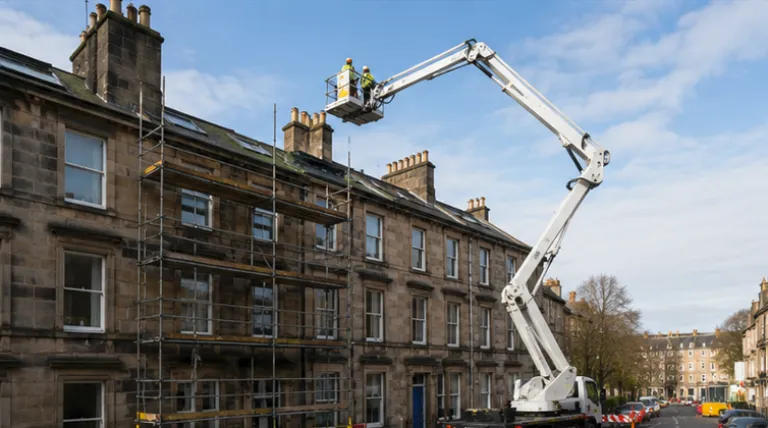
Work involving roofs, chimneys, high-level windows or external walls may require:
- Scaffolding.
- A cherry picker (mobile access platform).
- Permission to use neighbouring land.
- Access through another property.
- Temporary parking or access arrangements.
- Approval for work in a communal area.
The contractor may need to inspect the location before deciding what access equipment is required.
Arranging safe access adds another stage, but contractors must be able to complete the work without placing residents, members of the public or themselves at unnecessary risk.
Repairs in Shared Buildings Can Involve Other Parties
In a tenement or shared development, the source of a problem may be outside the rented property.
Roofs, gutters, external walls, stairwells and shared drainage systems may be communal. Responsibility may therefore involve several owners, a property factor or another managing agent.
Before work begins, it may be necessary to establish:
- Which part of the building is affected.
- Who is responsible for arranging the repair.
- Whether other owners need to agree to the work.
- How the cost will be shared.
- Whether access is required through another property.
1Let will continue to represent the landlord and follow up with those involved, but communal repairs can take longer because they are not controlled by one person alone.
Historic and Older Properties Can Present Additional Challenges
Many homes in Edinburgh are older or historic buildings, including listed properties and homes within conservation areas.
Repairs to these buildings often require a different approach. An apparently straightforward repair may become more involved if:
- Original parts are no longer available.
- Traditional materials or specialist techniques are required.
- Modern replacements are unsuitable.
- Existing pipework or wiring differs from current standards.
- Work must avoid damaging original features.
- Additional permissions are needed before certain work can begin.
These requirements help protect the character and long-term condition of the building. While they can sometimes extend the repair process, they also help ensure the work is carried out correctly and sympathetically.

Damp and Water Damage Often Require Patience
Where dampness or water ingress is involved, removing a visible mark or redecorating immediately is rarely the complete solution.
The source of the moisture must first be identified and addressed. The affected area may then need time to dry before internal repairs or decoration can be completed.
In some cases, conditions also need to be monitored to confirm that the original problem has been resolved.
You can read more about our approach in What Happens When You Report Damp or Mould to 1Let?
Why Not Just Use the Quickest Solution?
Completing work before an area has dried, treating only the visible symptom or using an unsuitable replacement part may appear to resolve the problem initially. However, it can result in the issue returning and cause further inconvenience later.
Our aim is to help find a solution that is:
- Safe.
- Appropriate for the property.
- Effective in addressing the cause.
- Completed in the correct order.
- Less likely to require repeat visits.
This can sometimes mean that a repair takes longer than anyone would ideally like.
Please Tell Us If Something Changes
While a repair is ongoing, please let your Property Manager know if:
- The problem becomes worse.
- You notice new damage.
- The issue begins affecting another part of the property.
- A temporary repair stops working.
- The circumstances create a new safety concern.
- You have not been contacted about an agreed contractor visit.
New information may change the priority of the repair or the action that needs to be taken.
Working together helps us respond more effectively and ensures contractors have the most up-to-date information when they attend.
Our Commitment
We understand that waiting for a repair can be inconvenient and frustrating.
Some repairs can be completed during one visit. Others require investigation, sequential work, drying time, specialist access or coordination with other property owners.
At 1Let, our role is to coordinate everyone involved, keep the repair progressing and continually look for the most effective way to resolve the issue.
While some aspects of the repair process are outside our direct control, we continue to monitor progress, follow up with everyone involved and keep the repair moving wherever we can.
We will always aim to have repairs completed as quickly as reasonably possible. At the same time, we want to make sure that work is carried out safely, in the correct order and with the aim of providing a lasting solution.
If you have questions about an ongoing repair, or the situation has changed since you reported it, please contact your Property Manager.