

You've probably received your inventory report – but have you had a chance to review it yet?
When you're moving into a new home, there's a lot to think about. You're unpacking boxes, arranging your broadband, updating your address and trying to make the place feel like home.
With everything else going on, it's easy to see your inventory report as just another piece of paperwork.
In reality, it's one of the most important documents you'll receive during your tenancy.
Your inventory creates a detailed record of the property's condition when you move in. Spending just a few minutes reviewing it now can help avoid misunderstandings later and ensure everyone starts with the same understanding of your home's condition.
What is an inventory report?
Your inventory report is prepared by an independent inventory clerk and records the condition of your home on the day your tenancy begins.
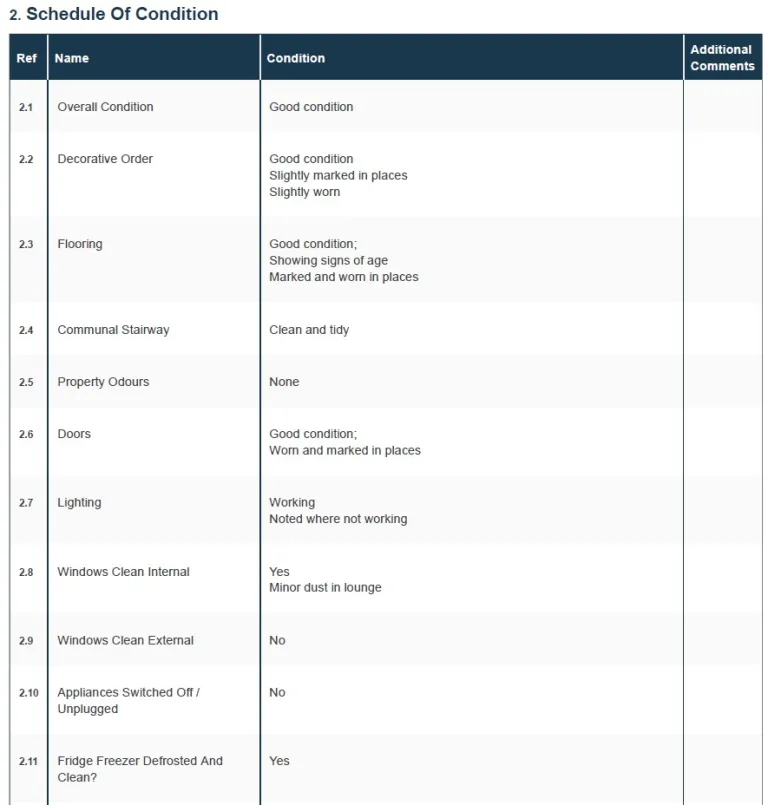
It includes:
- The condition of each room
- Furniture and appliances
- Walls, floors, doors and windows
- Fixtures and fittings
- Meter readings
- Keys provided
- Smoke and heat alarms
- Photographs throughout the property documenting its condition when you move in.
Together, these create a detailed snapshot of your home that everyone can refer to throughout your tenancy.
Why is it important?
One of the biggest misconceptions about inventory reports is that they're only there to protect the landlord.
In reality, they're there to protect everyone.
The inventory provides a shared record of the property's condition at the start of your tenancy. If there are ever any questions when you move out, everyone is referring to the same agreed record rather than relying on memory.
That's also why we use an independent inventory provider. Having an impartial record gives both landlords and tenants confidence that the report accurately reflects the property's condition when the tenancy begins.
A home that's ready to be lived in
Every property will show some signs of previous occupation.
A well-maintained rental home doesn't have to be in brand-new condition. Minor scuffs to paintwork, small scratches to flooring or furniture, and other signs of normal use are all common in homes that have been lived in.
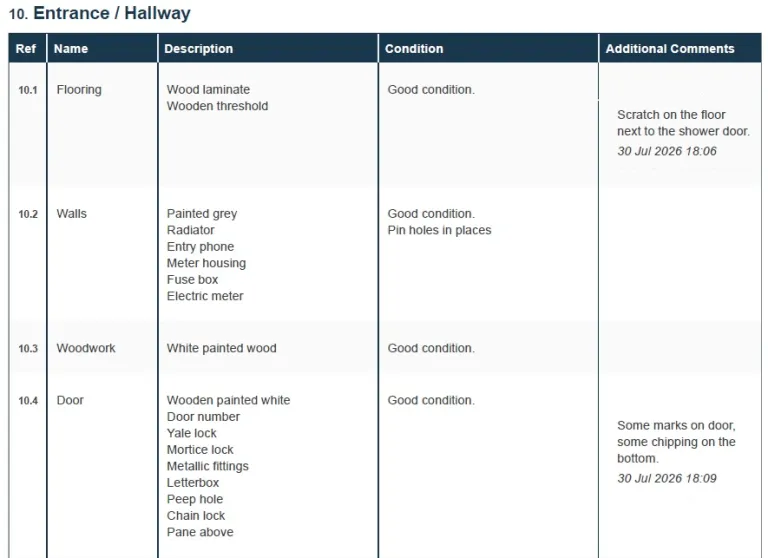
A good inventory records these honestly. You may notice existing marks, chips or signs of wear already documented in your report – and that's exactly how it should be. The purpose of the inventory isn't to present the property as perfect, but to create an accurate record of its condition on the day you move in.
You have seven days to review it
Once your tenancy begins, you'll have seven days to review your inventory report.
Take a little time to go through it while you're settling into your new home.
As you check each room, ask yourself:
- Does everything listed match what's in the property?
- Have any marks or scratches been missed?
- Are all the furnishings present?
- Do the photographs accurately reflect what you see?
- Is there anything you'd like us to be aware of?
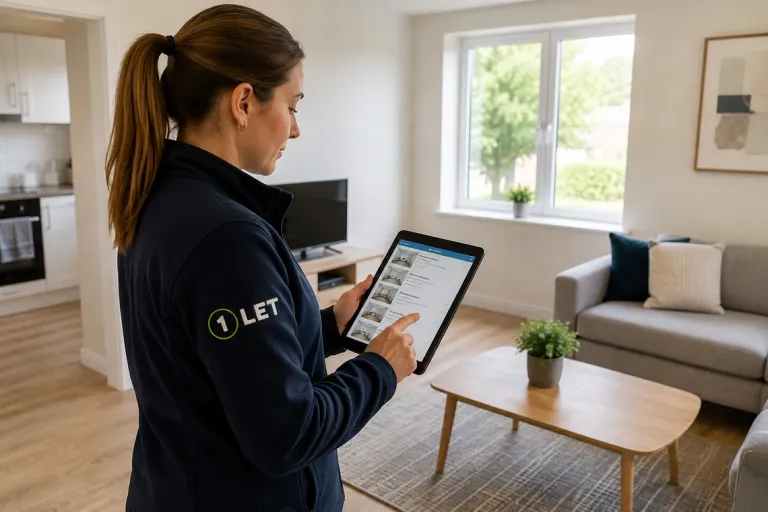
If you notice something that isn't quite right, simply add comments and upload your own photographs directly to your online inventory report.
Our inventories are thorough, but no inspection can capture every tiny mark or imperfection. That's exactly why every tenant has a review period.
Once you've finished reviewing it, sign the inventory electronically to confirm that, including any agreed amendments, it accurately reflects the property's condition when your tenancy began.
The inventory isn't a snagging list
Your inventory records the condition of the property when you move in.
If you notice an existing mark, scratch or missing item, it should be recorded on the inventory.
If you discover that something isn't working properly or needs repairing, please report it separately through our maintenance portal:
This allows us to arrange any necessary repairs while keeping your inventory focused on recording the property's condition.
Why are there so many photographs?
The photographs support the written descriptions and provide a clear visual record of the property's condition when you move in.
As you review your inventory, it's worth checking that the photographs accurately reflect what you see in the property.
What about fair wear and tear?
Your home is there to be lived in, so it's completely normal for everyday use to leave signs over time.
Examples of fair wear and tear include:
- carpets becoming flatter in busy areas
- minor scuffs to painted walls
- furniture showing signs of normal use
This is different from avoidable damage, such as broken furniture, burns, large stains or missing items.
It's also worth remembering that the age and condition of items are taken into account. A carpet or appliance that has already seen years of normal use won't be treated in the same way as something that's brand new. The aim is always to reach a fair outcome based on the evidence available, rather than expecting everything to remain in as-new condition forever.
Looking after your home
During your tenancy, we ask that you take reasonable care of the property and its contents by:
- keeping the property clean and well ventilated
- looking after the furniture and appliances provided
- reporting repairs promptly so they can be dealt with before they become bigger problems
Looking after your home and reporting repairs promptly helps prevent small issues becoming bigger ones. If you're ever unsure whether something should be reported, we'd always rather hear from you sooner rather than later.
When you move out
At the end of your tenancy, your Property Manager will carry out a check-out inspection using the original inventory as the starting point.
Because they've looked after the property throughout your tenancy, they'll also take into account any agreed inventory updates, repairs completed during the tenancy and normal fair wear and tear.
Using the same inventory from the start of your tenancy helps make the process clear, consistent and fair for everyone.
The key takeaway
Your inventory report isn't just another piece of paperwork to complete when you move in.
It's a shared record of your home's condition that helps protect both you and your landlord throughout your tenancy.
Spending just a few minutes reviewing your inventory, adding any comments or photographs, and signing it once you're happy helps ensure everyone has the same understanding from day one. It's a small task when you're moving in, but it can make a real difference when it's time to move out.
If you have any questions while reviewing your inventory, please get in touch. We'll always be happy to explain the process and help you get your tenancy off to the best possible start.
Related reading
If you've recently moved into your new home, you may also find these guides helpful: